NSIRH Marks World Spine Day 2026, Calls for Lifelong Spinal Health and Injury Prevention
October 16, 2026
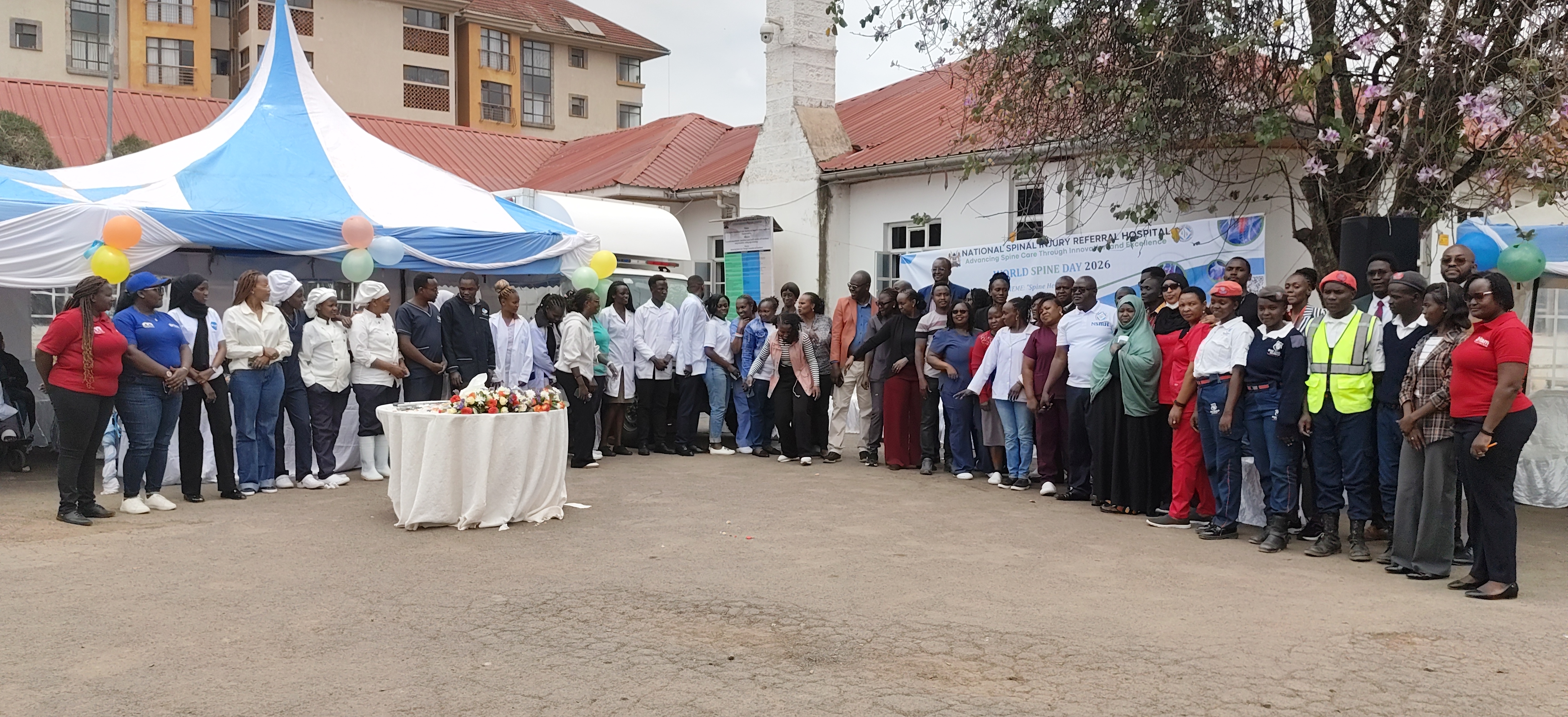
The National Spinal Injury Referral Hospital (NSIRH) joined the global community in commemorating World Spine Day on 16 October 2026 , calling on the public to prioritise spinal health, prevent avoidable injuries and seek timely medical attention for spinal conditions.
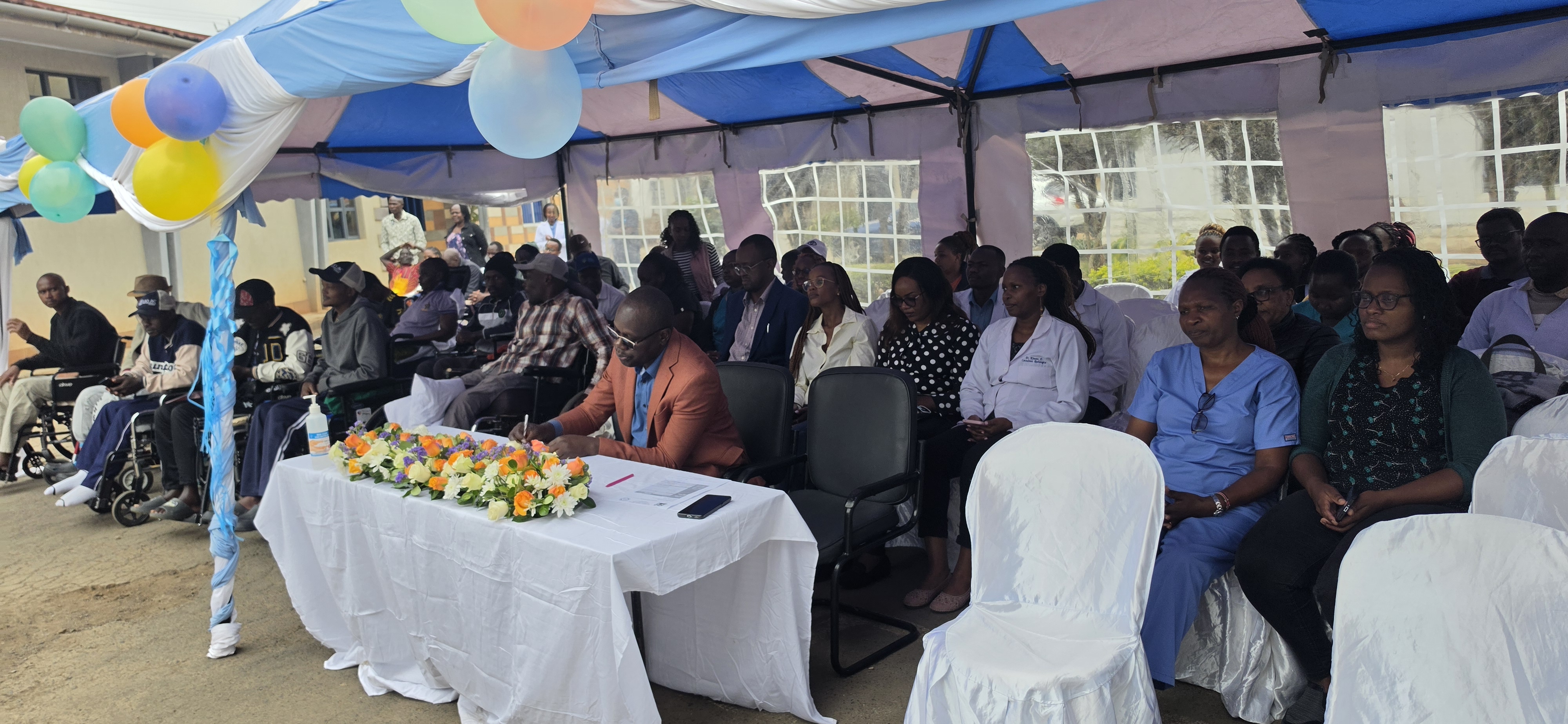
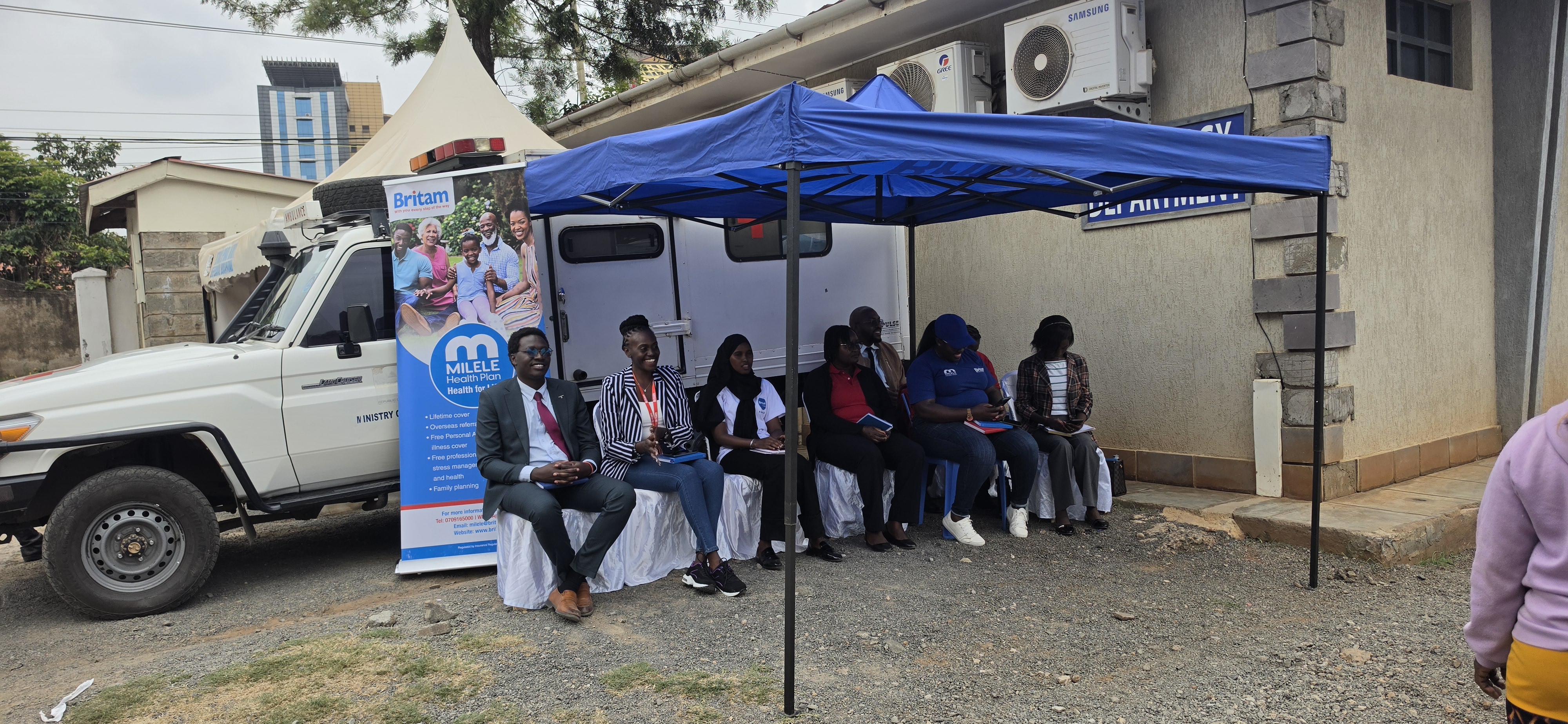
Held at the hospital under the theme “Spine Health for Life,” the commemoration brought together 240 participants. They included hospital management, healthcare professionals, patients, staff and representatives of partner organisations Ujuzi Fursa Institute and Britam Insurance.
The programme featured guided warm-up exercises, physiotherapy and posture demonstrations, health education sessions, professional presentations and patient testimonies, all stressing prevention, early intervention and comprehensive rehabilitation.
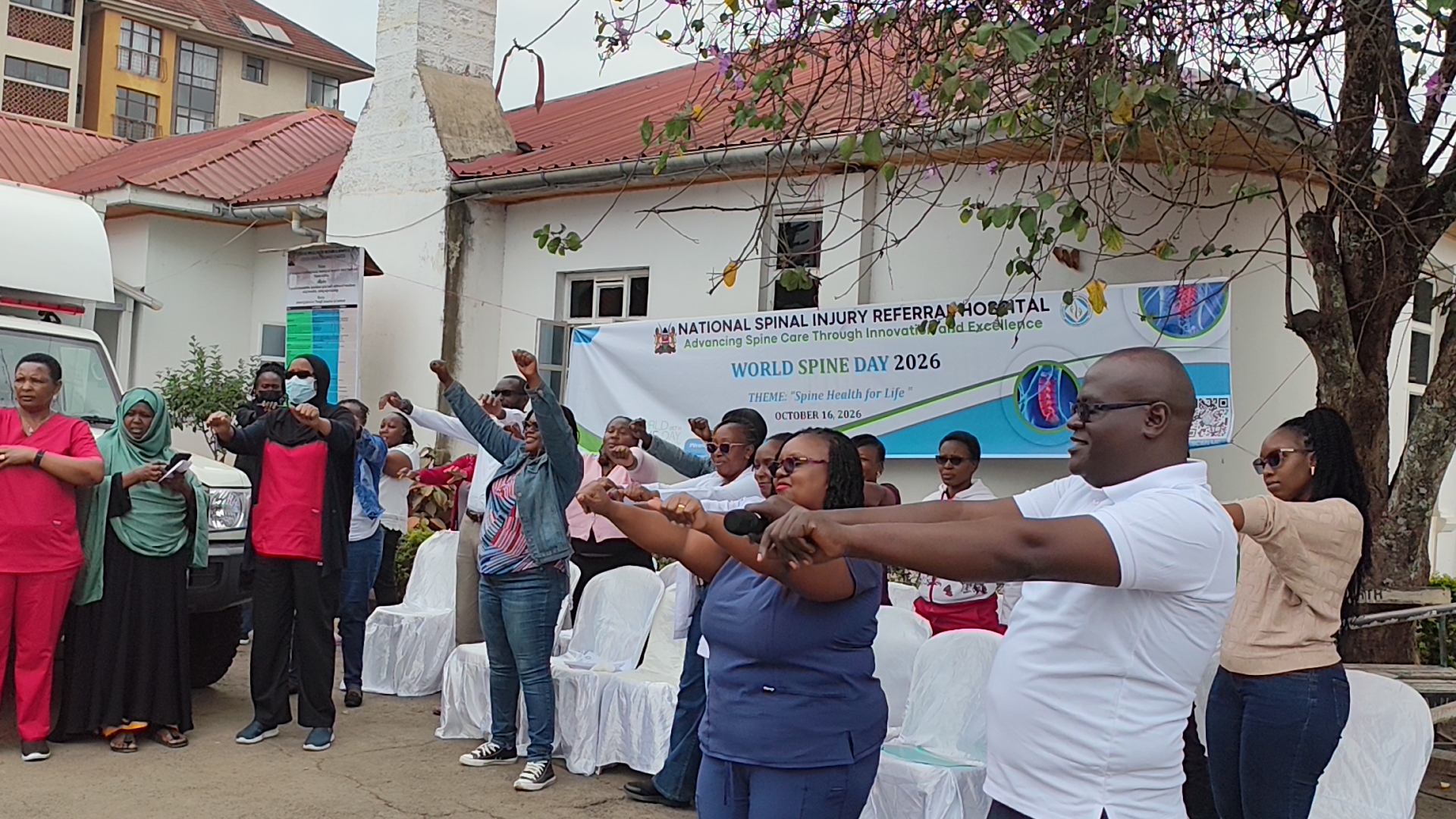

Early Intervention Is Critical in Spinal Injury Care
In his keynote address, the Acting Chief Executive Officer of NSIRH, Dr. Soren Oliver Otieno, urged the public to protect their spines throughout life and to seek prompt medical attention after a suspected spinal injury.
He noted that early assessment and treatment improve recovery outcomes, particularly for people with incomplete spinal cord injuries. Care within the first 72 hours can improve the chances of functional recovery, he said, and he encouraged the public to go to appropriate healthcare facilities without delay.
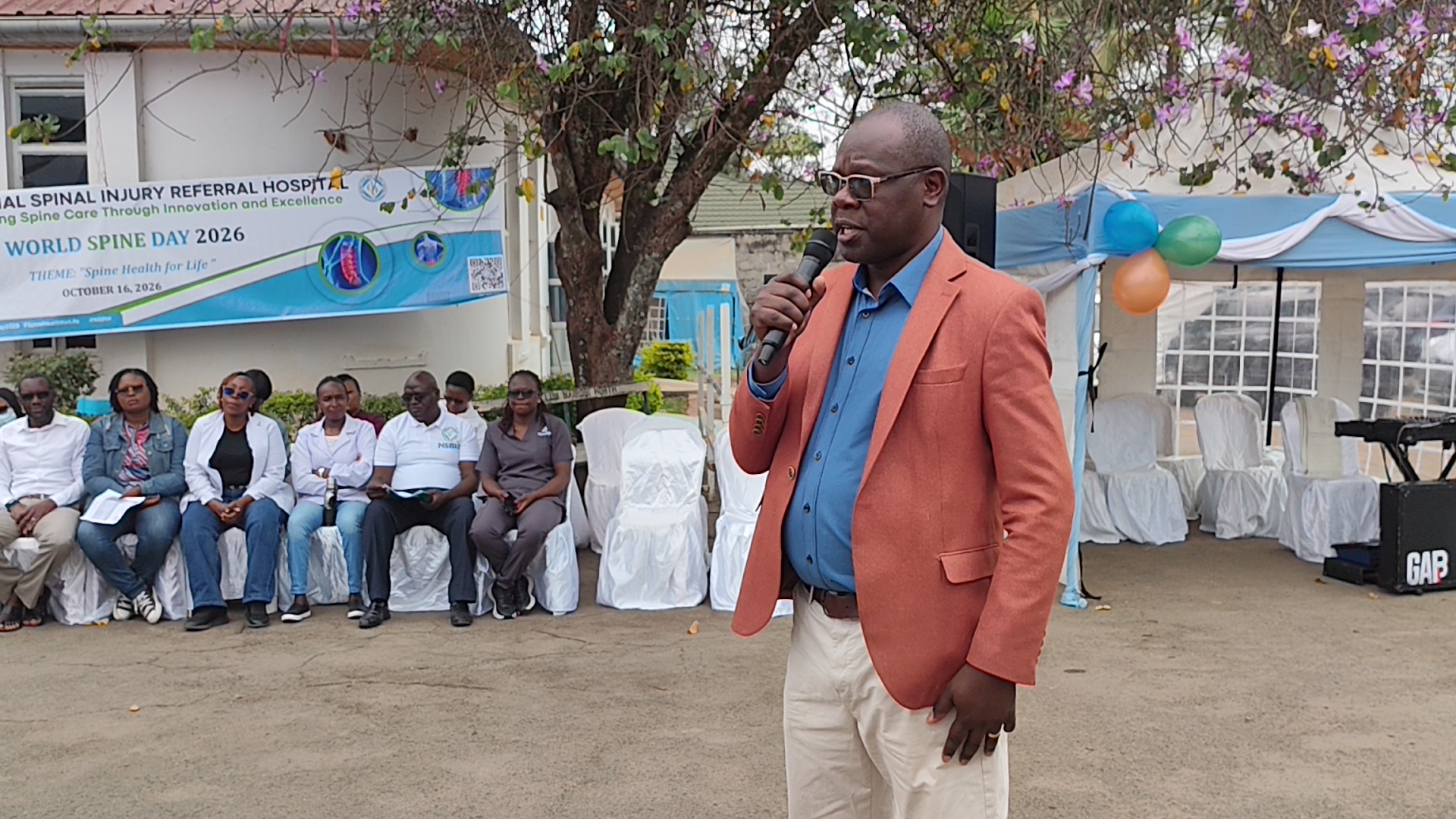
Dr. Otieno also called on Kenyans to prevent avoidable injuries by observing road safety measures and adopting safer practices when working at heights, such as when harvesting avocados.
He cautioned against ignoring persistent back pain, especially when accompanied by leg pain or numbness. People with these symptoms were encouraged to visit the hospital’s Orthopaedic Clinic, which operates twice a week. For those who sit for long hours at workstations, he recommended regular physical activity, good posture and stretching breaks.

He also shared the hospital’s plans to expand its capacity from 33 beds to 300 beds, to strengthen access to specialised spinal injury care and improve treatment and rehabilitation services.
A Multidisciplinary Approach to Spinal Health
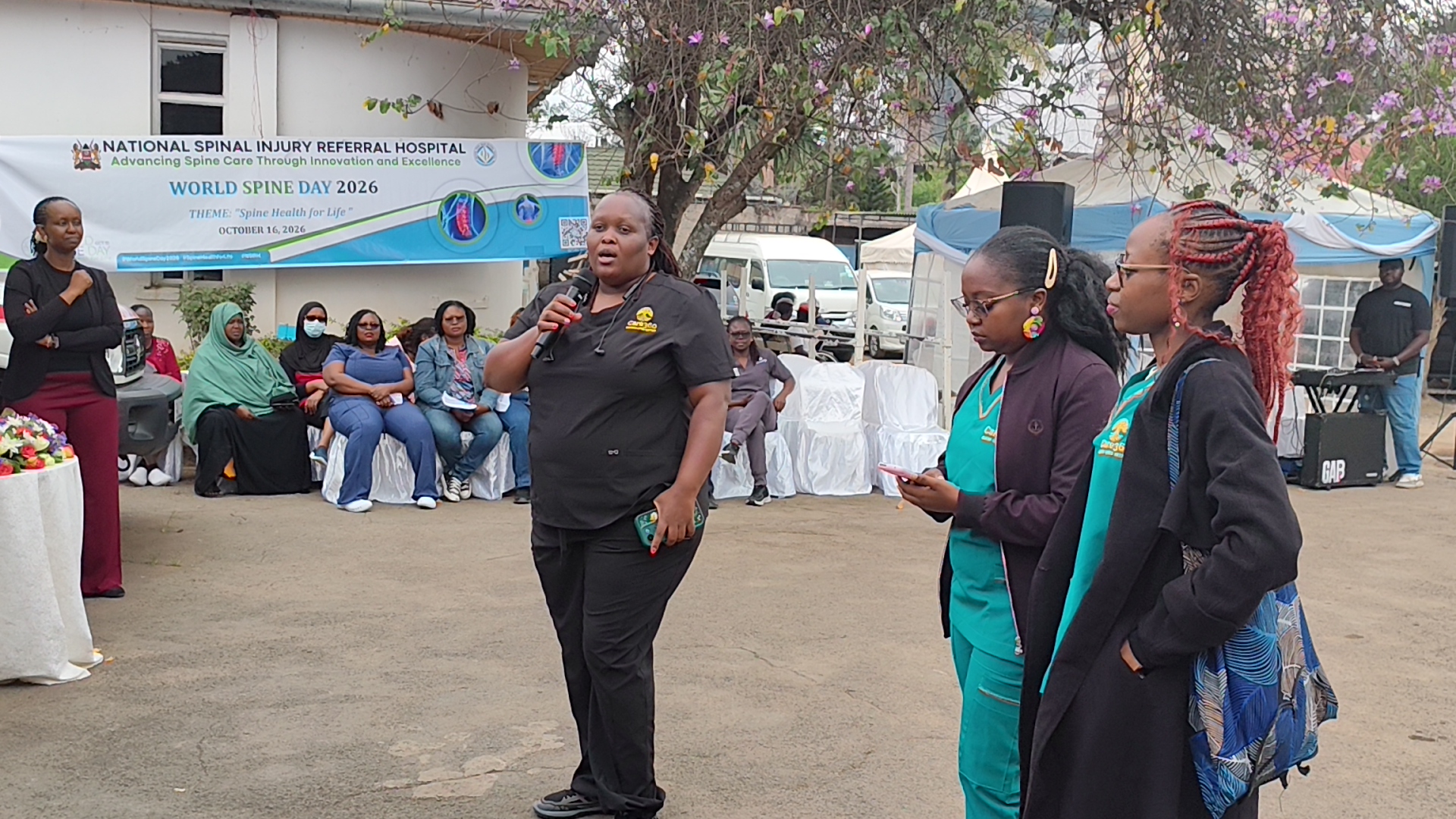
Health professionals from several disciplines led educational sessions on spinal health, injury prevention and rehabilitation, showing the value of coordinated care. The team comprised Dr. Carole Okoth, Head of Unit, Internal Medicine and Training, Research and Innovation; Dr. Kanyatta, Surgeon; Gladys Morangi and Nancy Ogenga, Physiotherapists; Miriam Mwathe, Occupational Therapist; Gladys Miencha, Deputy Nursing Services Manager; and Emily Amukowa, Mental Health and Wellness.
The sessions covered posture, workplace ergonomics, safe movement, regular physical activity, wheelchair prescription and seating assessment, and the importance of timely medical intervention. Participants received practical guidance on healthier daily habits that reduce strain on the spine and lower the risk of musculoskeletal problems.
Patient Experiences Highlight the Importance of Rehabilitation
Two current in-patients shared their rehabilitation journeys and reflected on the care and support they have received at NSIRH. Their testimonies offered personal perspectives on living with a spinal injury and reinforced the importance of compassionate, patient-centred care and comprehensive rehabilitation in helping patients work towards greater independence.
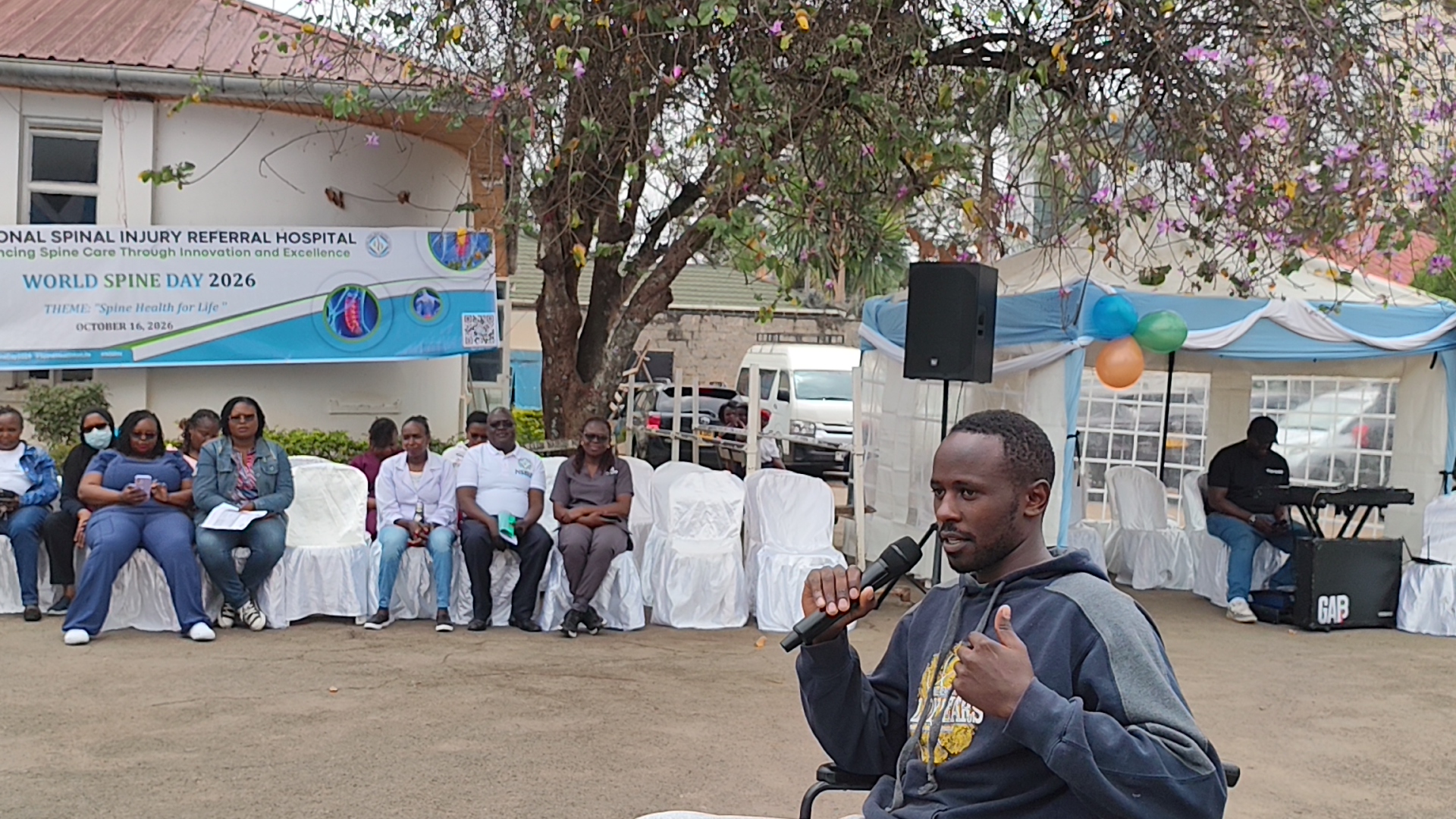

Their accounts were a reminder that spinal injury care goes beyond medical treatment to include physical rehabilitation, emotional well-being and continued support throughout recovery.
Partnerships and Shared Commitment
The participation of Ujuzi Fursa Institute and Britam Insurance reinforced the value of collaboration in advancing spinal health awareness and supporting initiatives that benefit patients and the wider community. The event also showcased NSIRH’s specialised services in spinal injury management, rehabilitation and public education.
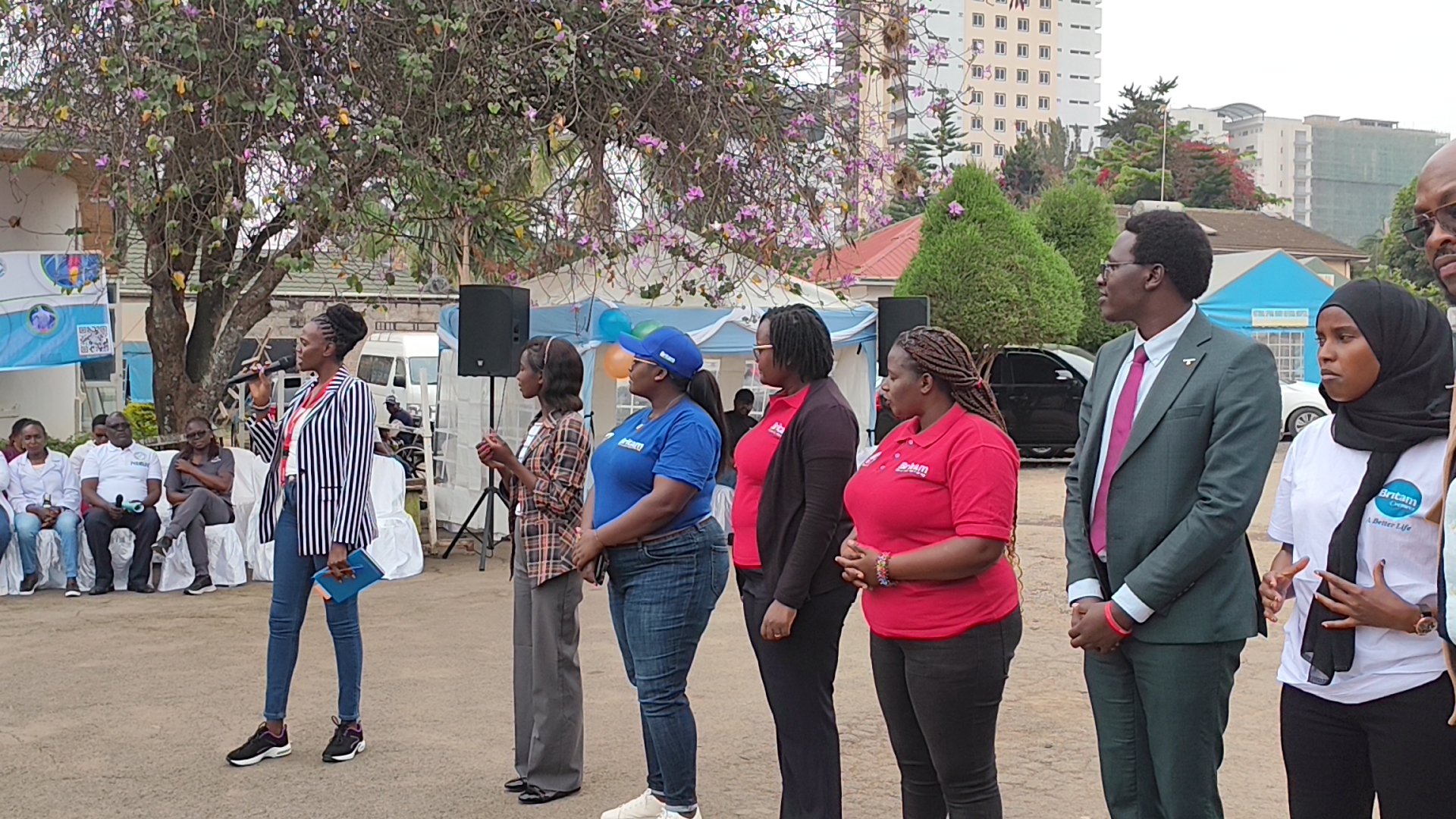
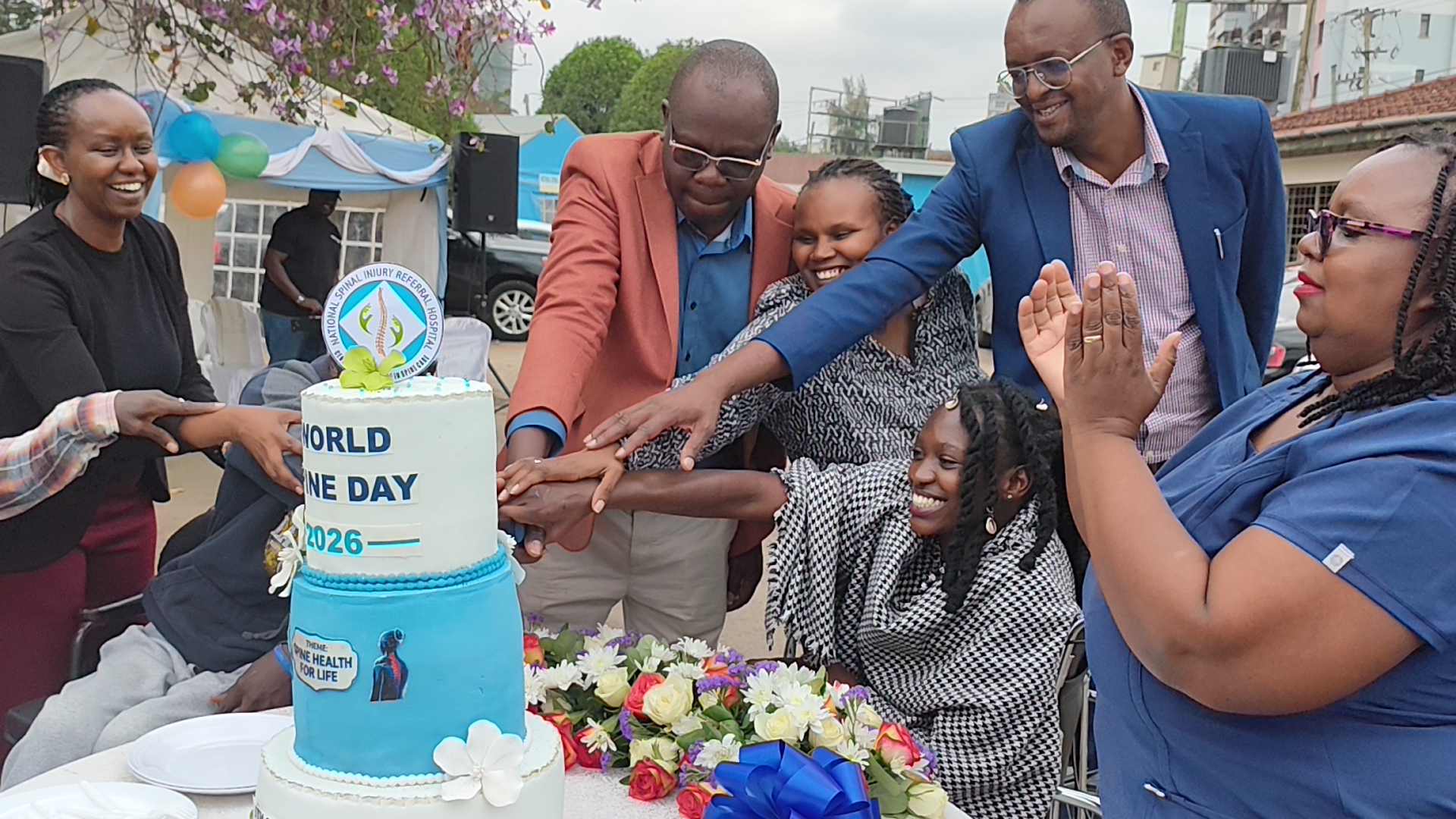
The commemoration closed with a cake-cutting ceremony, symbolising the shared commitment of hospital management, staff, patients and partners to promoting spinal health and improving the lives of people living with spinal conditions.
As a specialised national referral facility, NSIRH remains committed to advancing spinal care through specialised treatment, rehabilitation, health education and strategic partnerships. The hospital encourages individuals, families, workplaces and communities to adopt healthy daily habits, stay physically active, practise safe movement and seek professional advice when experiencing persistent back or neck pain.

Spine health is a lifelong priority. Prevention, early intervention and access to appropriate care can make a meaningful difference.
← Back to News